
Virtual Reality (VR) has experienced a long and varied history since its inception in the 1950s. Today, VR technology is being used in a wide range of industries including entertainment, healthcare, education, and more. It is important to understand the history of VR in order to understand its impact on our lives today. This article takes an in-depth look at the history and evolution of virtual reality from its early beginnings to its current state. It examines how VR has changed over the decades and looks at the various applications and challenges that have come with this technology. Lastly, it considers what lies ahead for virtual reality as it continues to develop into the future.

Early Beginnings in the 1950s
In the 1950s, virtual reality saw its beginnings as a concept that was explored and experimented with by various researchers and scientists. One of the key developments during this period was the immersive experience created by Morton Heilig’s Sensorama Machine which displayed 3D images in an environment that stimulated smells, sights, sounds and vibrations. This machine is credited with inspiring other inventions such as computer gaming systems and virtual reality headsets in later decades.
The emergence of technology like flight simulators around this time showed how virtual reality could be used to create simulated environments for training purposes. This technology also had applications in the entertainment industry, paving way for advancements in gaming systems such as Nintendo’s Virtual Boy released in 1995.
The advances made at this stage opened up new possibilities for creating digital experiences wherein users can interact with simulations using controllers or even body movements. These developments have laid the groundwork for modern day VR where people have access to sophisticated hardware and software tools to create unique immersive experiences within the gaming industry as well as other sectors including medical, educational etc.
The Rise of Virtual Reality in the 1980s
The 1980s saw a rapid rise in the development of virtual reality, with two major inventions: the head-mounted display and the boom of arcade games. The head-mounted display was created by VPL Research, founded by Jaron Lanier in 1984. It was designed to provide a computer-generated 3D environment that could be explored using physical gestures and body movements. This invention allowed users to interact with virtual objects directly from their own perspective. In addition, the popularity of arcade games rose during this decade as more immersive gaming experiences became available to consumers. These advancements allowed for an increase in accessibility for virtual reality and its technology.
The Invention of the Head-Mounted Display
Developed in the early 1960s, the Head-Mounted Display was a revolutionary breakthrough that opened up an entirely new world of possibilities for virtual reality. This technology allowed users to experience a fully immersive environment where they could interact with their surroundings and other virtual objects. By utilizing optical lenses and head tracking sensors, these displays enabled users to explore virtual worlds from their own point of view. The invention of the head-mounted display also paved the way for virtual tourism, allowing people to visit remote locations without having to leave their homes. This technology also laid the foundation for augmented reality applications which superimpose digital content onto physical environments in real time. As such, this groundbreaking device has been instrumental in advancing the field of virtual reality over the years.
The Boom of Arcade Games
In the late 1970s, arcade games began to become a popular form of entertainment, providing players with an immersive and interactive gaming experience. At this point in time, these games were designed to be installed in public areas such as malls and arcades. They included features like vibrant graphics, exciting soundtracks, and competitive game-play that made them attractive to large numbers of people. The gaming industry saw this opportunity for growth and took advantage of it by investing heavily in its development.
Arcade design was key for the success of these games as they needed to be both visually appealing and offer something unique from home consoles at the time. Companies also started introducing new types of hardware such as joysticks and steering wheels that allowed players to interact with their environment more realistically than ever before. This further enhanced the overall virtual reality experience that arcade games offered players since it allowed them to feel more immersed in their surroundings while playing.
The Evolution of VR in the 1990s

During the 1990s, virtual reality underwent a remarkable transformation as its applications broadened and technology advanced. This was largely due to the development of haptic feedback technology which allowed users to feel touch sensations in response to their interactions with virtual objects. Furthermore, advances in visual fidelity enabled more realistic immersive experiences that captivated audiences. The booming video game industry also played an important role in driving innovation by providing platforms for developers to experiment with new ideas and forge new partnerships.
This period saw the emergence of many popular VR-based products such as Sega’s Virtual On Oratorio Tangram (1995), Nintendo’s Virtual Boy (1995) and SEGA’s arcade title “Virtua Racing”(1992). These products achieved commercial success but also highlighted some of the challenges associated with developing hardware for virtual reality – namely, short battery life, lack of computing power and limited graphics capabilities compared to modern standards. As a result, these products failed to capitalise on their full potential and were eventually discontinued or overshadowed by other technologies.
The 1990s also saw the rise of online gaming which provided a platform for users to interact and compete against one another in a virtual world. This was further enhanced by advancements in networking technologies like LANs (Local Area Networks) which allowed players from different geographical locations to play together simultaneously over the internet. Additionally, motion tracking systems developed during this period enabled users to control their avatars or vehicles using body movements instead of relying solely on traditional game controllers. Through these developments, virtual reality experienced an unprecedented growth that continues into modern times.
The Expansion of VR in the 2000s
The 2000s saw the emergence of virtual reality technology on a much broader scale. The popularity of video games and gaming systems such as Nintendo’s GameCube and Sony’s PlayStation 2 contributed to the expansion of VR, allowing more people to experience the technology. Mobile VR also began to emerge during this time, with headsets such as Samsung’s GearVR paving the way for users to access virtual experiences on-the-go.
The Popularity of Video Games
Surging in popularity, video games have become a staple of modern entertainment. The 1990s saw the rise of multiplayer gaming and 3D graphics, with the introduction of consoles such as Sony’s PlayStation and Nintendo 64. This allowed for more immersive experiences that could be shared by multiple users. With these advancements, a new era of video game development began to emerge, producing titles like Grand Theft Auto 3 which went on to become one of the biggest selling games ever released.
The 2000s saw further advances in VR technology and gaming, with the release of hardware such as Oculus Rift and HTC Vive headsets making virtual reality accessible to a wider audience than ever before. This surge in interest led to an increase in investment into video game production and development, creating an environment where developers could push boundaries with their creations. As more people explored the world of virtual reality through gaming, it became clear that this was going to be a major part of popular culture for many years to come.
The Emergence of Mobile VR
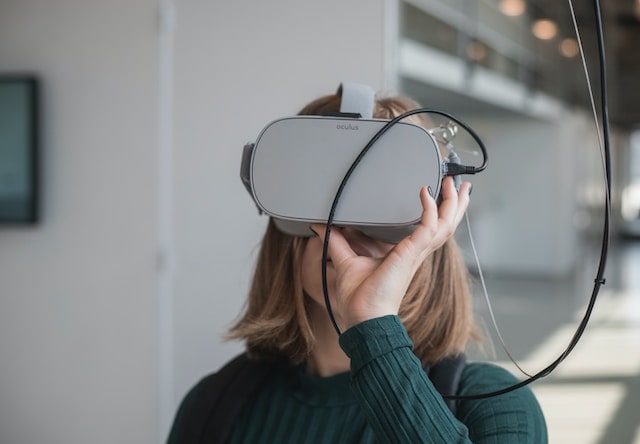
The transition from traditional video games to mobile gaming has been a gradual one, with both mediums co-existing at the same time. With the emergence of mobile VR, however, this trend has been accelerated and augmented reality (AR) technology is now being applied to smartphones. Mobile VR offers users a mix of virtual and augmented reality experiences, allowing them to engage in interactive activities with their environment without having to be physically present. It also gives them access to a variety of content such as immersive videos and 3D images that can be experienced in an entirely new way. This technology is becoming increasingly popular amongst gamers due to its portability and accessibility, providing gamers with an engaging experience that can be enjoyed anytime and anywhere.
The Advancements of VR in the 2010s
Significant developments in the field of virtual reality occurred during the 2010s, leading to new levels of immersion and interactivity. One major advancement was the introduction of augmented reality (AR), which overlays digital images on physical environments and allows users to interact with them. Motion tracking technology also became more accessible during this time, allowing for a more immersive experience when combined with AR. This combination allowed users to not only view digital objects but also move around in virtual spaces. Additionally, content creation tools such as Unity and Unreal Engine were released, allowing developers to create interactive experiences for VR devices.
Alongside these advancements came improvements in hardware designed specifically for virtual reality. Companies like Oculus created headsets that allowed users to access VR without needing complex configurations or expensive computers. These devices also featured motion tracking capabilities that enabled users to use their hands as controllers within a simulated world; they could reach out and touch virtual objects while standing or sitting in one place. The affordability of these products made it easier for people to experience VR without having a large budget or access to expensive equipment.
The impact of this decade’s advancements is still being felt today; many companies are now investing heavily in creating new applications for VR technology, from training simulations for industrial workers, educational programs for students, and entertainment experiences such as gaming and watching movies in a virtual theater setting. As the technology continues to improve over time, it is likely that we will see even more exciting uses going forward into the future.
The Emergence of Social and Collaborative VR
The 2010s saw a significant breakthrough in the development of virtual reality. With the release of the Oculus Rift and Vive, people had access to affordable consumer-grade VR headsets for the first time. This was followed by further advancements in technology and improvements to existing headsets, leading to an explosion of content and applications. However, it was not until recently that social and collaborative features began appearing in Virtual Reality experiences.
Social adoption has skyrocketed with more users joining up for immersive experiences with friends and family alike. Companies like Facebook, Google, Sony, Apple, HTC, Microsoft have all invested heavily into developing social VR platforms with capabilities such as shared spaces where users can meet up virtually or play games together from across the globe in real-time. New tools have also emerged including voice chat systems that allow users to converse without having to use a traditional microphone setup or type out messages on a keyboard. These new tools make it easier than ever before for people to interact with each other while still feeling like they are present within the same space as their friends and family members.
As technology continues to improve and become more accessible for consumers, there is no doubt that we will continue seeing an increase in social interaction happening within virtual reality environments as well as collaborations between companies looking to create unique and engaging experiences. The potential applications of this technology are vast ranging from entertainment such as gaming or watching movies together all the way through to education, healthcare or even business meetings held remotely across different countries simultaneously. Despite its short history so far Virtual Reality has already made leaps towards becoming an integral part of our lives with many exciting possibilities yet ahead of us!
The Applications of Virtual Reality
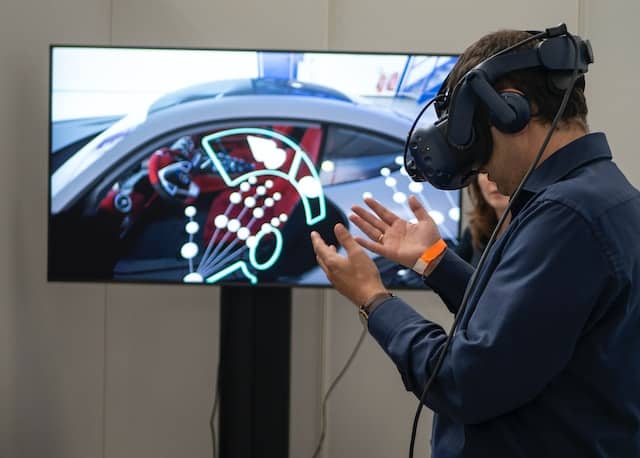
Virtual Reality (VR) has many applications, from education to healthcare and business. In the educational setting, VR can be used to provide students with an immersive learning experience, allowing them to interact with a virtual environment where they can practice skills and explore topics in more depth. In the healthcare field, VR technology is being used for diagnosis and treatment of mental health conditions such as phobias and post-traumatic stress disorder. Finally, businesses have begun using VR for training purposes as well as marketing campaigns.
Education
Since the advent of virtual reality, educators have been able to leverage its immersive power to create engaging learning experiences. By utilizing interactive learning methods such as 3D simulations and virtual tours, teachers can provide students with a more dynamic way to interact with subject matter. This allows students to engage in an experience that is both stimulating and educational.
Using VR technology, teachers can bring the content they teach into the classroom in a captivating way. By creating an environment that feels real and tangible, students are able to dive deeper into lessons by exploring unfamiliar concepts in an immersive setting. With virtual reality, students are also able to make connections between their physical world and the digital one which further enhances their understanding of complex topics. Ultimately, this technology has allowed educators to take teaching beyond traditional boundaries by allowing them to access new forms of interactive learning for their students.
Healthcare
Utilizing immersive technology, healthcare professionals are able to provide a more personalized and interactive approach to patient care. Virtual reality (VR) has been used for medical training since the early 1990s, allowing medical practitioners to gain experience in surgical procedures without having to make any incisions. Additionally, this technology has evolved into providing virtual simulations of clinical scenarios such as diagnostics and emergency response treatments. VR is also being used in therapeutic applications such as exposure therapies which allow patients with phobias or post-traumatic stress disorder (PTSD) to confront their fears from the safety of a virtual environment. Immersive therapies have also been utilized for pain management purposes, providing distraction from physical discomforts and offering relaxation techniques that can reduce symptoms associated with chronic pain disorders. As the cost of technology continues to decrease while its capabilities increase, VR use in healthcare is becoming increasingly accessible, offering promising new opportunities for both medical personnel and patients alike.
Business
Immersive technology has revolutionized the way businesses operate, allowing for more efficient data collection and analysis. Virtual reality (VR) has become a critical tool in business due to its ability to create immersive experiences that simulate real-world scenarios. It can be used to make decisions based on real-time data or analyze consumer behavior, making it an invaluable asset for developing business strategies. VR also offers a wide range of economic implications as companies look for new ways to increase productivity while driving down costs. By utilizing VR in their operations, businesses can save time by eliminating physical meetings and reducing employee travel expenses. Additionally, they can use VR simulations to test out new products or services before investing large amounts of money into them. This allows companies to make informed decisions quickly and confidently with a minimal financial risk involved.
The Impact of Virtual Reality
Exploring the various realms of virtual reality has had an undeniable impact on how people experience and interact with digital space. It has made virtual experiences increasingly accessible to a wide range of individuals, due to its cost effectiveness when compared to traditional methods. Additionally, it has enabled users to engage in more immersive experiences than ever before:
- Virtual reality allows users to interact with a 3D environment as if they are physically present in it.
- It provides opportunities for users to explore new places or situations without leaving their homes.
- Its use of motion sensors and cameras enable users to experience different levels of interaction with the environment that was once impossible using traditional methods.
The emergence of virtual reality technology has also led to increased applications for businesses, educational institutions, and healthcare providers. By bringing together data from multiple sources, these industries have been able create powerful simulations that can be used for training purposes or medical treatments. Moreover, VR has enabled businesses and organizations the ability to connect customers with products or services in ways never seen before – allowing them access into unique worlds that were once only imaginable through books or films.
The Challenges of Virtual Reality
The impact of virtual reality has been felt in many areas, from entertainment to education and even healthcare. While it has opened up many possibilities and opportunities for people, there are also some challenges associated with the technology. One challenge is that of dizziness risks, which can occur when users experience a disconnect between their vision and sense of movement. This can be caused by lag time or latency issues with the hardware used, such as headsets or controllers. Another challenge is that of hardware limitations; while VR technology is constantly being improved upon, current hardware may not be able to provide an optimal experience for all users. This could mean that certain features are not available or that the user needs to purchase more expensive equipment in order to get a better quality experience. Furthermore, due to the cost associated with purchasing high-end VR hardware, this can limit access for those without financial means.
These issues have led researchers to look for ways to reduce dizziness risks and optimize hardware performance. Some efforts include using motion sensors and haptic feedback systems in order to create more realistic experiences while reducing nausea-inducing effects. Additionally, as companies develop new technologies they must take into consideration how these will interact with existing systems in order to achieve maximum compatibility across different platforms and devices. Lastly, manufacturers have begun exploring ways of making high-end VR technology more affordable so that everyone can gain access to its benefits regardless of income level.
It is clear that virtual reality opens up a world of possibilities but also presents some unique challenges due its reliance on user interaction and complex hardware components. If these issues can be addressed through research and technological advancements then VR could become much more widely adopted in various industries around the world. With further development it may even become commonplace within our daily lives – allowing us unprecedented access into immersive digital worlds without ever needing to leave home!
The Future of Virtual Reality
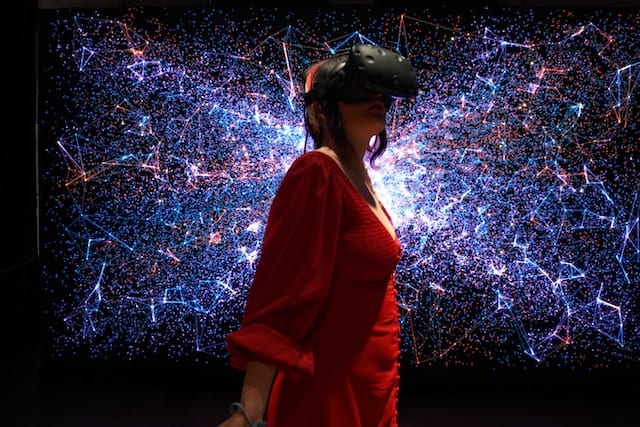
Analyzing the current state of virtual reality technology and its associated challenges, it is possible to anticipate a promising future for the medium. Virtual Reality (VR) is an immersive experience that allows users to engage with digital content in a realistic way. It has been used in many areas such as gaming, training simulations, education, and social interactions. As VR technology continues to evolve, it is becoming increasingly accessible to more people due to advancements in hardware and software. This means that the potential applications of VR are growing exponentially.
Immersive Experiences are becoming more sophisticated as developers push the boundaries of what is possible in terms of visual fidelity and interactivity. With each new generation of hardware comes improved performance which leads to smoother experiences for both consumer-level devices and professional grade equipment alike. Additionally, social interactions through virtual reality have also seen an increase in popularity as platforms such as Facebook’s Oculus Quest and HTC Vive Pro allow users to connect with one another across long distances without losing any sense of intimacy or connection.
The future looks bright for virtual reality with no signs of slowing down anytime soon. More companies are investing heavily into research & development so they can stay ahead of the competition while also expanding their market share. The possibilities are endless when it comes to creating innovative experiences that can be enjoyed by anyone regardless of their location or device type. With better hardware and smarter software solutions being developed every day, there’s no telling just how far this technology can go in the years ahead!
Frequently Asked Questions
What are the benefits of using virtual reality?
“As the saying goes, ‘seeing is believing’ – virtual reality offers a unique opportunity to experience the world without leaving the comfort of one’s home. Benefits of VR include adaptive learning through immersive experiences, allowing users to develop skills and knowledge in a safe environment. VR also facilitates an engaging atmosphere that nurtures a sense of belonging while providing comprehensive, analytical insights into various scenarios.
How can virtual reality be used to improve education?
Augmented learning and immersive teaching are two strategies which virtual reality can be used to improve education. By utilizing a three-dimensional space, students are able to interact with content in a more meaningful way, thus increasing their understanding of the material. VR also allows for an increased level of engagement as students are immersed in the educational experience.
What are the ethical implications of using virtual reality?
The ethical implications of using virtual reality are complex, evoking myriad privacy concerns and a potential for far-reaching social impact. Allusions to the power of VR to alter human behavior can be seen in its ability to shape perception, foster empathy, and create immersive experiences that blur the lines between real and imagined. It is essential that we consider these ramifications when utilizing this technology.
What are the safety considerations when using virtual reality?
When using virtual reality, there are safety considerations such as potential eye strain and sensory overload. These should be monitored carefully, as they can have serious health implications. Additionally, users should take breaks regularly to ensure optimal comfort and wellbeing.
How can virtual reality be used in the medical field?
As smooth as silk, virtual reality has enabled medical applications and simulation training to reach heights never before seen. With its immersive environment, VR can be used to teach medical students skills and diagnose illnesses in a risk-free setting while allowing healthcare professionals to hone their abilities with confidence. Strikingly, the potential of VR in the medical field is limitless.
Conclusion
The development of virtual reality has had a significant impact on modern society. It has opened up new possibilities for entertainment, business, education, and more. Despite the myriad of benefits it brings to our lives, there are still challenges that must be addressed in order for VR to reach its full potential. Without a doubt, however, virtual reality is set to revolutionize humanity as we know it – an unprecedented leap forward into a virtually limitless world of unimaginable possibilities. Its potential seems boundless and skyrocketing; its growth almost too astronomical to comprehend. With each passing year bringing new advancements and breakthroughs, the future of virtual reality looks brighter than ever before.

See more info at my medium> https://medium.com/@olliegreenfreelancewriter
- Unveiling the Mysteries of Church of Vows Elden Ring: A Comprehensive Guide - September 5, 2023
- The Ultimate Guide to Minecraft Cow: Breeding, Care, and More - August 28, 2023
- Unleash the Power of Goat Horn Minecraft: Ultimate Guide and Tips - August 25, 2023